Referral

Scar Therapy & Management in Brisbane

Support for healing, comfort, and improved appearance
Contact us
Scars are a natural part of the body’s healing process, but when a scar becomes raised, tight, painful, or interferes with movement, it may need therapeutic support.
At Occupational Therapy With Helen, I provide gentle, evidence-based treatments to help you manage scarring—whether it’s recent or longstanding—so you can regain comfort, confidence, and function.

Understanding Scars & Why Treatment Matters

When the skin is injured, scar tissue forms to close the wound. This process typically begins within 2–3 days and can continue for many weeks or months. Over time, most scars soften and fade in colour, eventually becoming what’s known as a “mature scar.”

However, in some cases, a scar may become raised, hard, itchy, or restrict movement. These are known as problem scars, including hypertrophic and keloid types. Early intervention helps guide healthy scar formation, but even older scars can benefit from treatment.

You may be at greater risk of developing problematic scarring if you:

  • Have a family or personal history of raised scars

  • Have a skin type prone to scarring (e.g., Mediterranean, Asian, African, Indigenous Australian heritage)

  • Experienced delayed wound healing (longer than 3 weeks)
Types of Scars Treated

Scar therapy is tailored to each person’s needs and may be suitable for:

  • Surgical scars (e.g., joint replacements, C-sections, cancer-related surgery)

  • Traumatic scars (e.g., lacerations, motor vehicle injuries)

  • Burn scars

  • Radiotherapy-related tissue changes

  • Scars affecting movement, comfort, or self-confidence

Therapy Goals
  • Improve the appearance and texture of the scar

  • Reduce itchiness, discomfort, or pain

  • Prevent or manage tightness and movement restriction

  • Support tissue hydration and scar softening

  • Enhance overall skin health in the affected area

  • Impart understanding of scars, connective tissue and swelling

Scar Management Techniques

Each scar is different—your therapy will be designed to match your goals, the type of scar, and your stage of healing. Treatments may include:

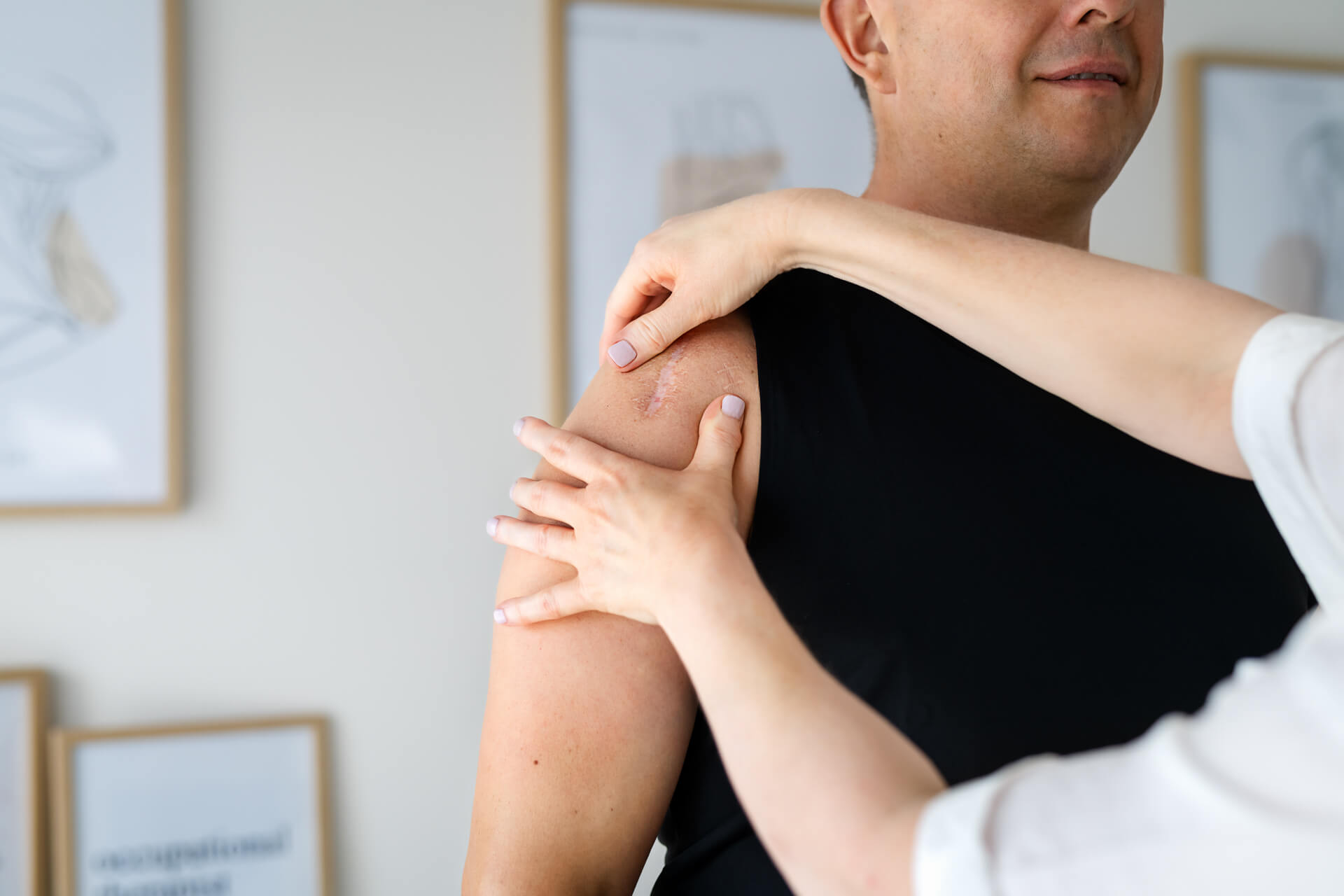
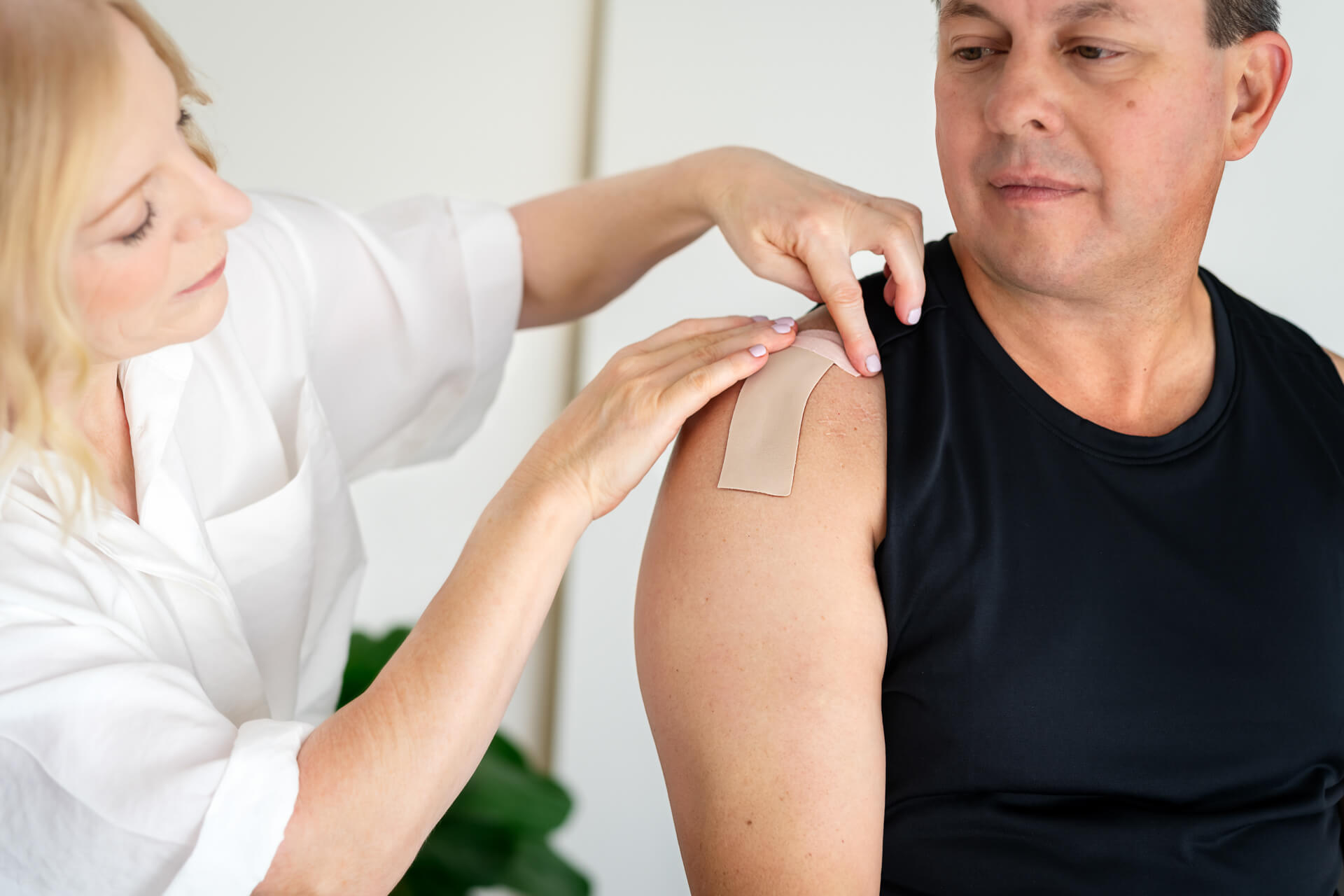
  • RESTORE Scar Massage
    Gentle manual techniques to reduce tightness, soften tissue, and promote healthy healing

  • Silicone Gel Therapy
    Clinically proven to flatten, soften, and fade scars over time

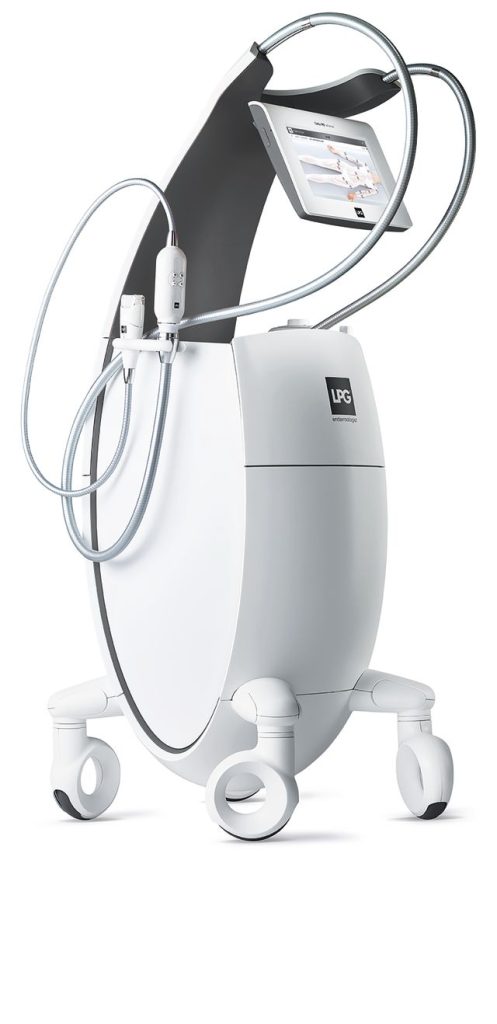
  • Vacuum Therapy (Endermologie® LPG)
    A non-invasive mechanical massage that improves circulation, reduces adhesions, and softens fibrotic tissue

  • Moisturising & Home Care Guidance
    Education on daily routines to support healing between sessions

  • Stretching & Functional Support
    Where scars affect range of motion, therapy may include strategies to regain mobility

What to Expect

Your initial appointment includes a comprehensive assessment of your scar’s appearance, location, symptoms, and impact on daily life. From there, we’ll create a customised treatment plan. Therapy may begin as early as 2–3 weeks after wound healing or years after the scar has formed.

Endermologie® Brochure

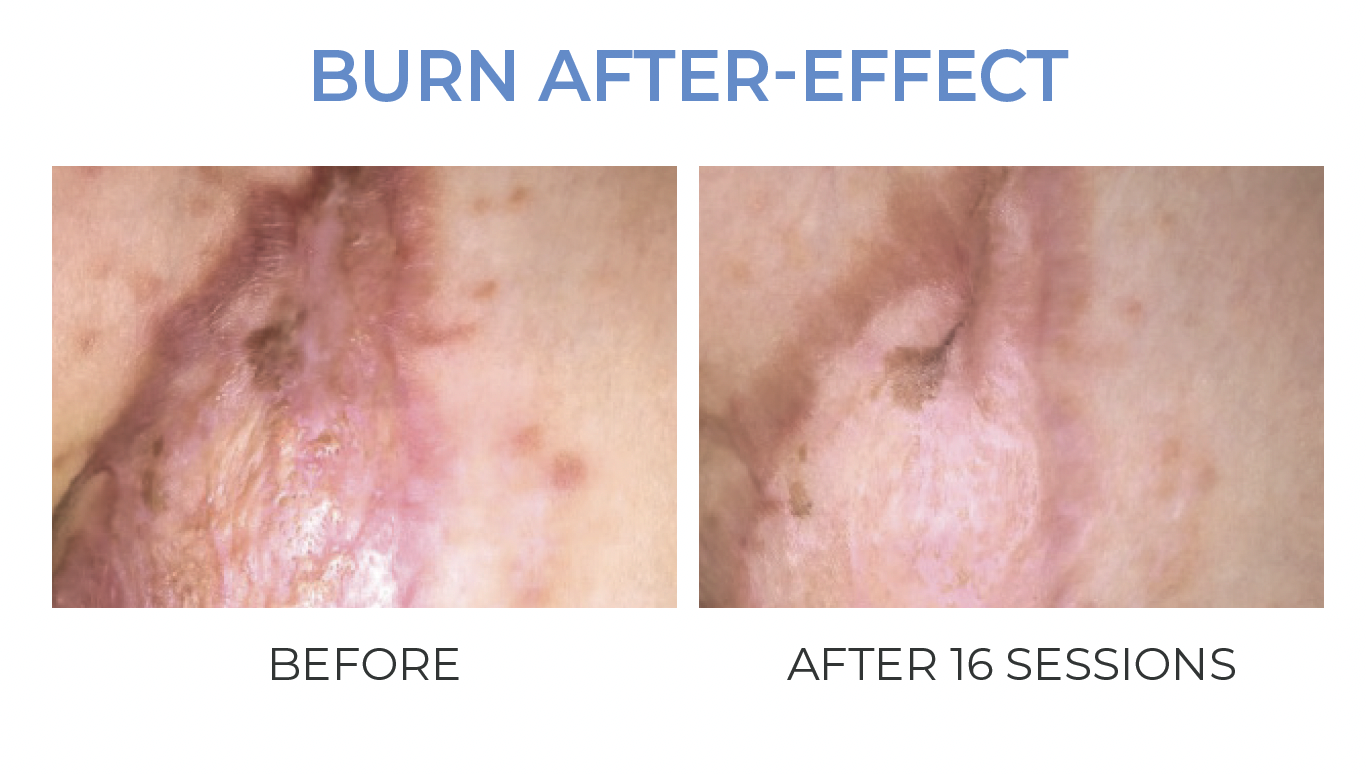
Results You Can Expect

While every scar is unique, clients often experience:

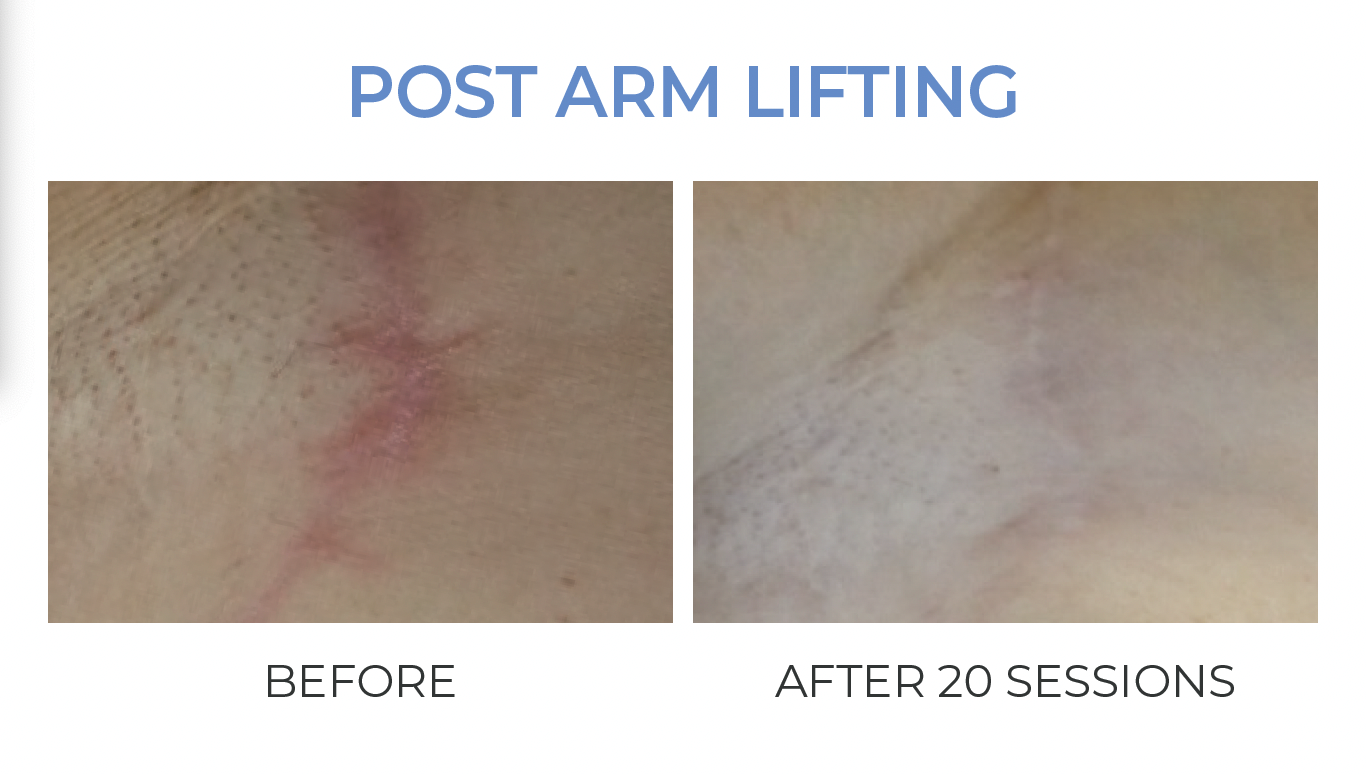
  • Smoother, softer skin

  • Reduced redness and raised appearance

  • Less tightness or pulling

  • Improved confidence in daily movement and appearance

Complete scar disappearance is not always possible, but meaningful improvements in comfort and function are very achievable with the right care.

*Before and After images from Endermologie® Treatment
Ready to Support Your Healing?

Whether your scar is new or long-standing, scar therapy can make a lasting difference.
Book a personalised scar assessment today and start your healing journey.

Book your scar therapy and management plan today.

Get In Touch

Frequently Asked Questions

Understanding Scar Therapy: What You Need to Know

What types of scars can be treated?

We support people with surgical, burn, traumatic, and problem scars—whether recent or older.

When should I start scar therapy?

As early as 2–3 weeks after wound healing is complete. Earlier intervention often leads to better results, but even mature scars can respond to treatment.

What does scar treatment involve?

Your plan may include massage, silicone therapy, vacuum therapy, moisturising, and functional support. It’s designed specifically for your needs and goals.

Will the scar go away completely?

Not necessarily. The aim is to reduce symptoms and improve the scar’s appearance, texture, and impact on your daily life.

How long does it take to see results?

Results vary depending on the scar’s age, size, and location. Some people notice a difference within weeks, while others may benefit from a longer-term plan.

Do I need a referral for treatment?

No referral is needed. However, referrals from GPs or specialists are welcome and can help coordinate your care.

Privacy Settings
We use cookies to enhance your experience while using our website. If you are using our Services via a browser you can restrict, block or remove cookies through your web browser settings. We also use content and scripts from third parties that may use tracking technologies. You can selectively provide your consent below to allow such third party embeds. For complete information about the cookies we use, data we collect and how we process them, please check our Privacy Policy
Youtube
Consent to display content from - Youtube
Vimeo
Consent to display content from - Vimeo
Google Maps
Consent to display content from - Google
Spotify
Consent to display content from - Spotify
Sound Cloud
Consent to display content from - Sound